Map the system
Identify components, interfaces, access, structure, power, thermal needs, assembly, maintenance, and the user-facing hierarchy.

Physical-product architecture
Arrange components, controls, access, assembly, service, and physical interaction into one coherent product before expensive details become fixed.
What this means
Product architecture connects the technical package to real use. It determines where parts live, what people touch, how the product opens or charges, how it is assembled, and which constraints the industrial design must absorb. Resolving that system early creates better options later.
Identify components, interfaces, access, structure, power, thermal needs, assembly, maintenance, and the user-facing hierarchy.
Compare meaningfully different arrangements instead of polishing the first package that happens to fit.
Resolve how setup, controls, charging, cleaning, repair, carrying, storage, and service should influence the physical system.
Choose the strongest direction and use CAD, models, prototypes, or technical coordination to retire its most important risks.
What the work produces
A legible relationship between components, structure, interaction, access, and the product's physical priorities.
Distinct arrangements evaluated against user, technical, commercial, and manufacturing constraints.
One direction with its assumptions, open questions, and next proof made explicit.
Relevant public work
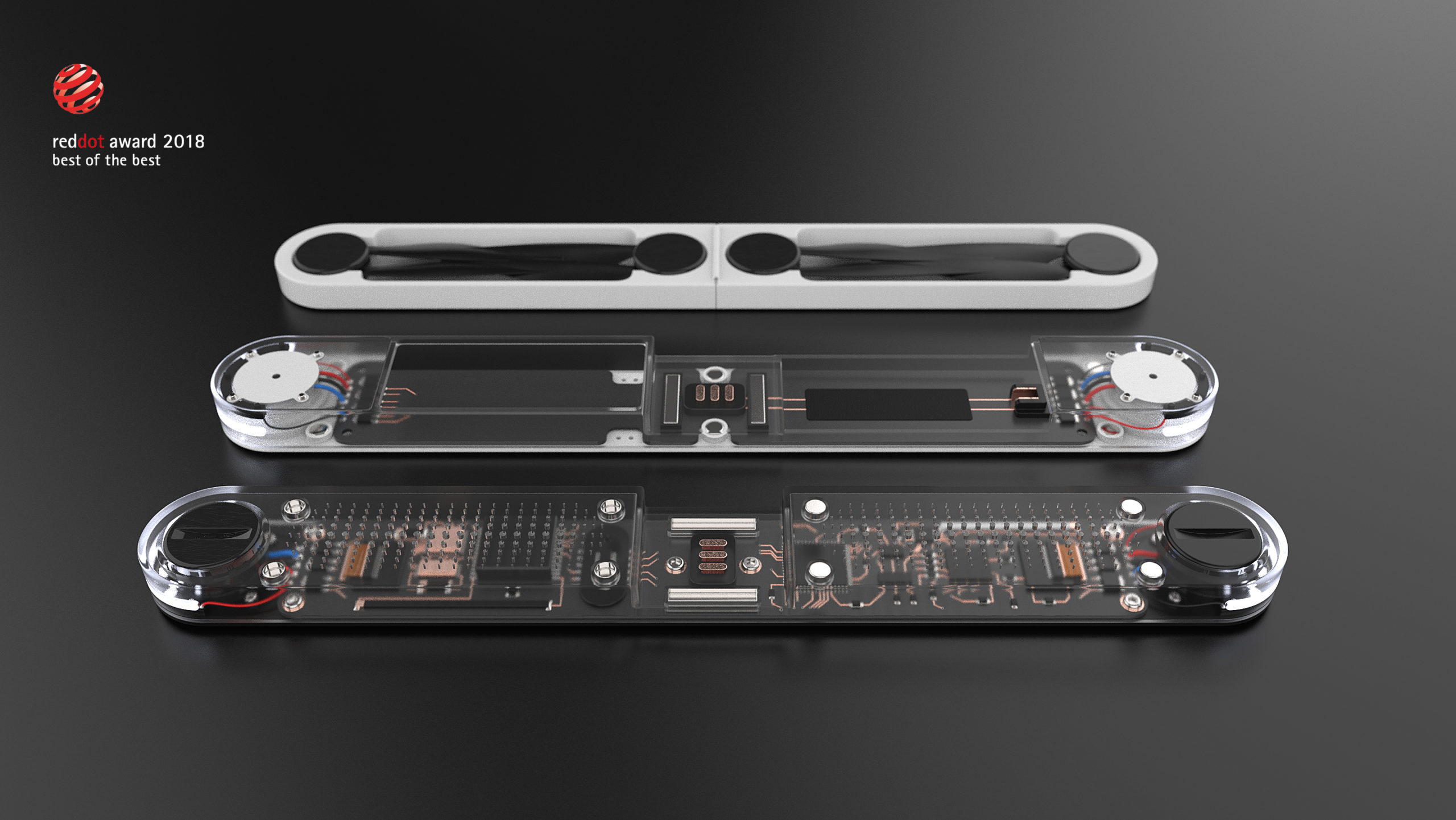
An award-winning ultra-portable drone concept that organizes its airframe, propulsion, camera, electronics, and controls into one compact product architecture.
View project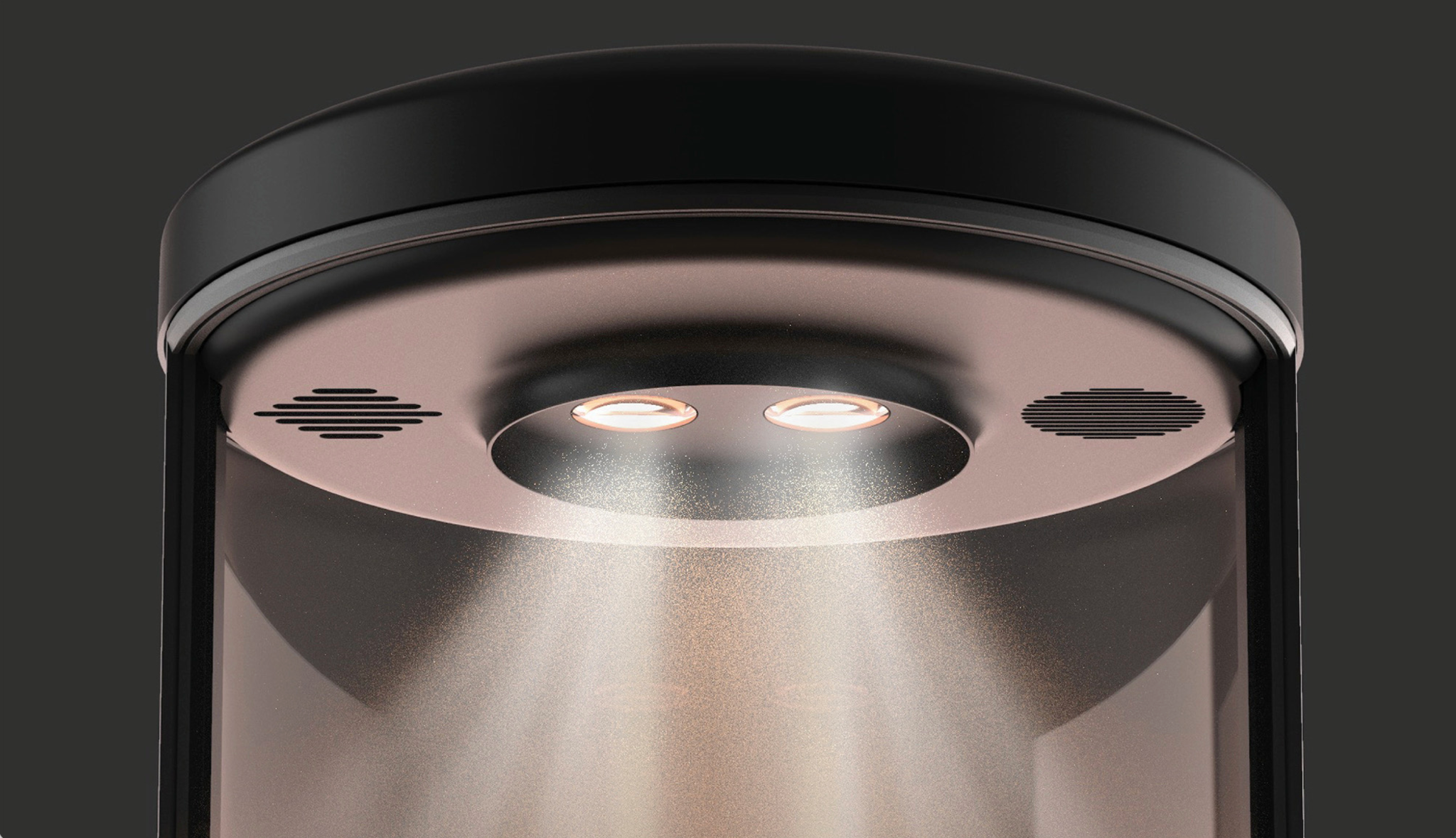
A connected growing system that makes airflow, light, watering, enclosure, and access legible as one integrated object.
View project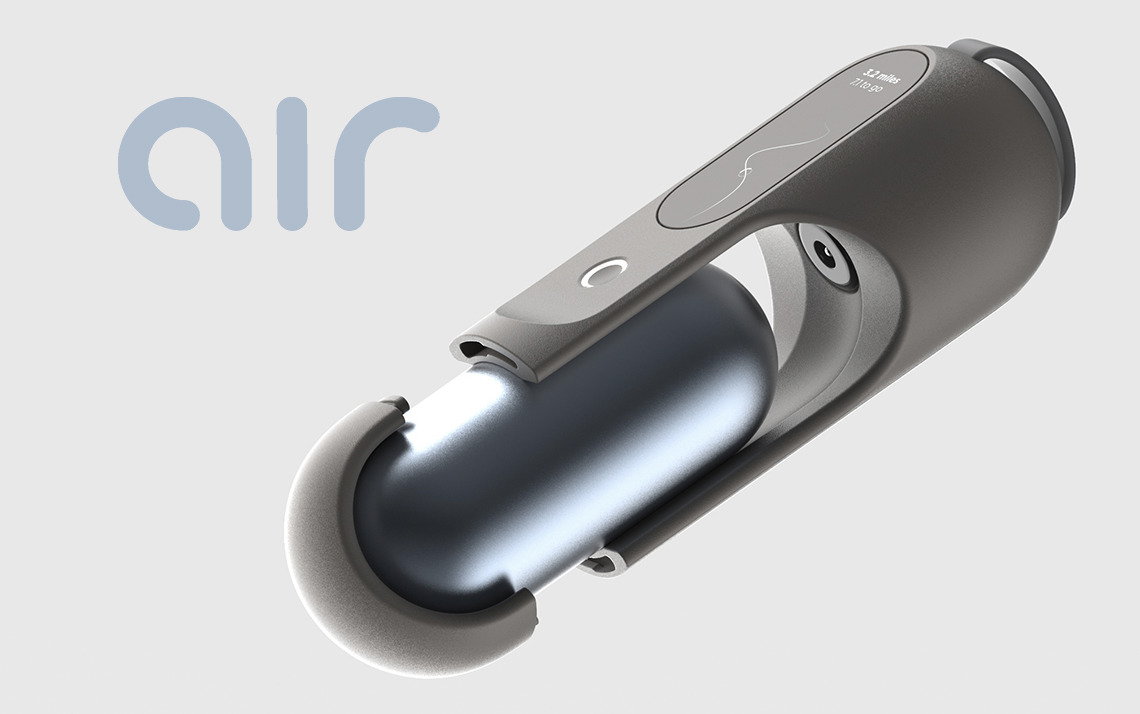
A portable outdoor system that brings power, navigation, product architecture, and physical interaction into one coherent tool.
View projectCommon questions
As early as practical, before detailed surfaces or production CAD make weak assumptions expensive to change. It can also be used to rescue an existing prototype.
No. Product architecture defines how the physical system, user experience, and component package work together. Mechanical engineering then resolves product-specific technical requirements in much greater detail.
Yes. Existing boards, mechanisms, CAD, supplier constraints, prototypes, and requirements can become inputs to the architecture work.
A Direction Sprint can focus on the architecture decision before the project expands into broader industrial design, engineering coordination, or development.
Start a project
Send the current package, prototype, or idea and the decision it is blocking. Confidential files can wait for a private process.