Make the idea clear
Define the person, problem, essential experience, constraints, and reason this product should exist.
A practical guide for inventors
A plain-language path from a physical-product idea to a clear direction, useful prototype, and credible next step toward manufacturing.
Where to begin
A useful first conversation can start with what you want to make, who it is for, and what you hope it will do. The first job is not to make the idea look finished. It is to decide what the product should be and identify the most important question to answer next.
Define the person, problem, essential experience, constraints, and reason this product should exist.
Explore more than one answer, then connect form, components, controls, and use into one coherent direction.
Make only the proof needed for the next decision—appearance, ergonomics, mechanism, electronics, or a combination.
Resolve enough detail for engineering, suppliers, manufacturing, investment, or a larger development program to move intelligently.
Know what each step proves
Shows how a direction may look. It does not prove the product works, fits its components, or can be manufactured.
Answers a particular question through a physical build. It may still be rough, expensive, or unsuitable for production.
Require resolved engineering, materials, tolerances, assembly, suppliers, testing, and production decisions beyond a visual concept.
What to send
You can leave out anything confidential. These basics are enough to understand the starting point.
Relevant work
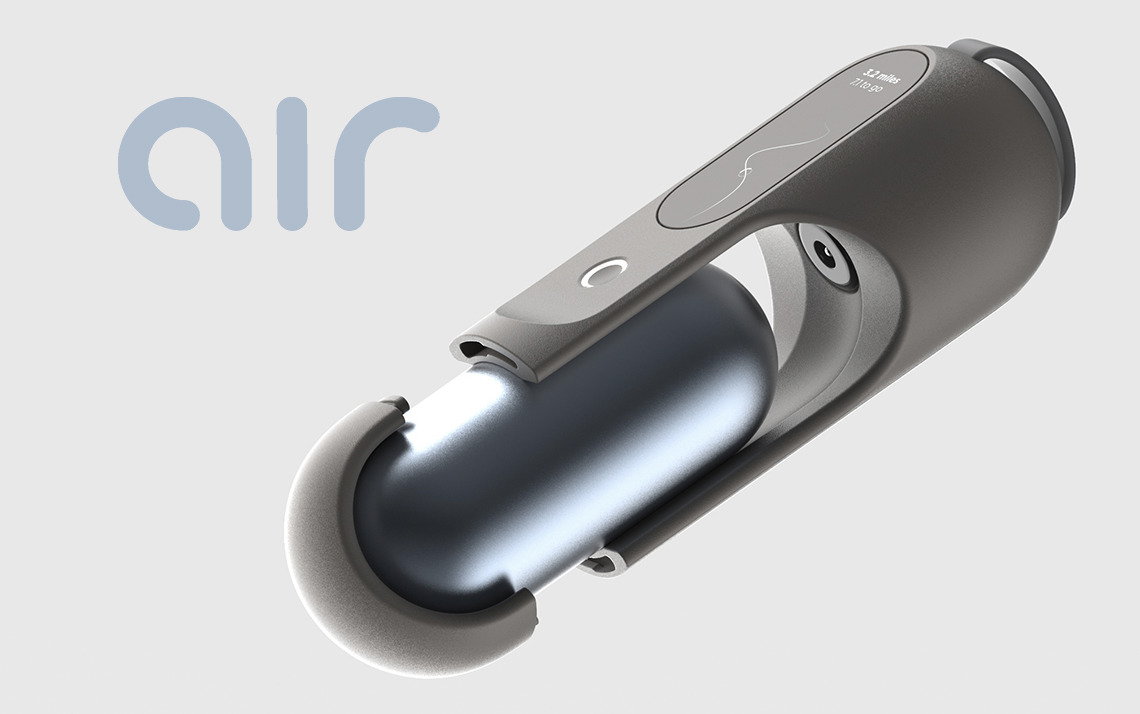
A portable outdoor system that brings power, navigation, product architecture, and physical interaction into one coherent tool.
View project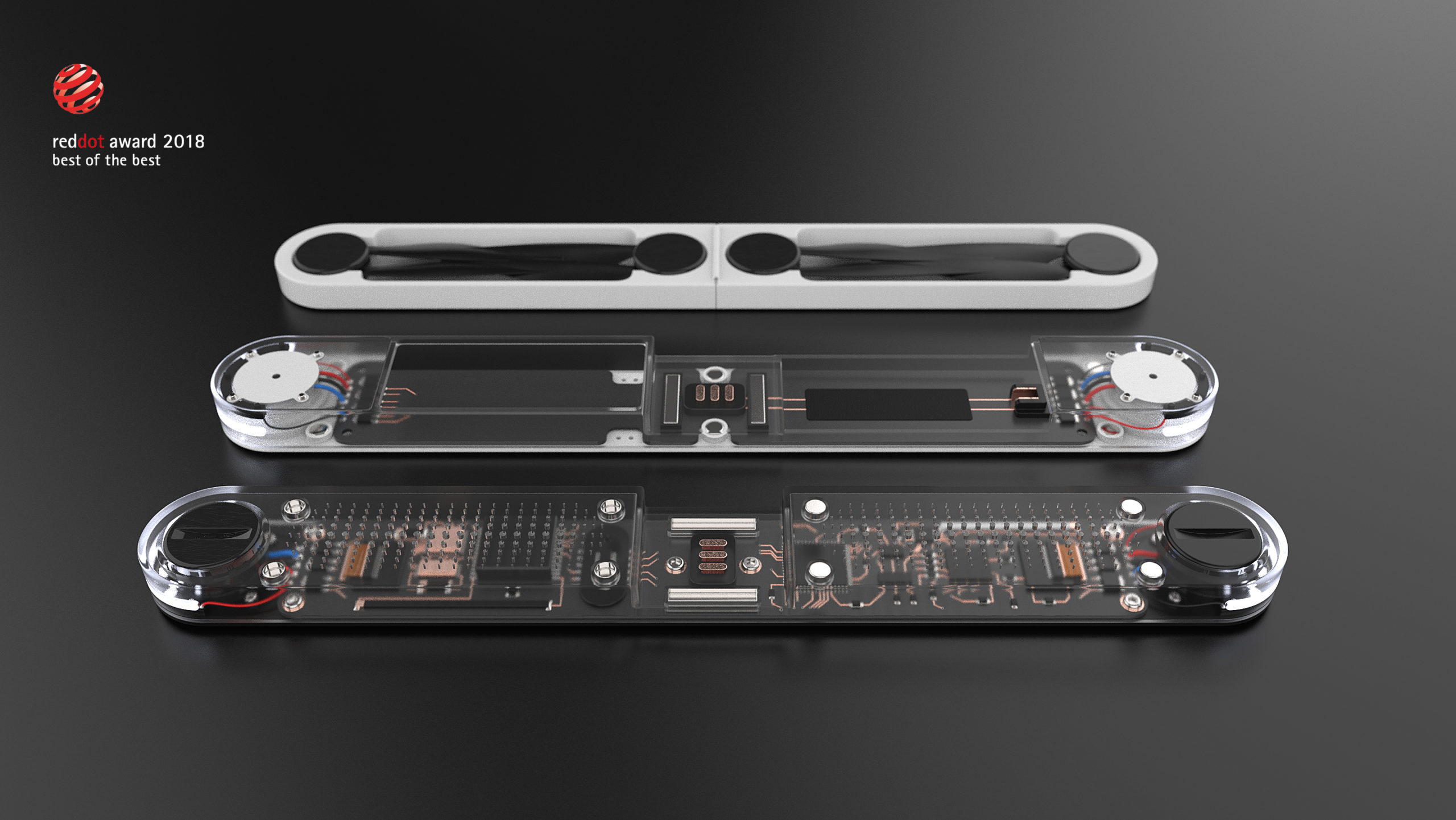
An award-winning ultra-portable drone concept that organizes its airframe, propulsion, camera, electronics, and controls into one compact product architecture.
View project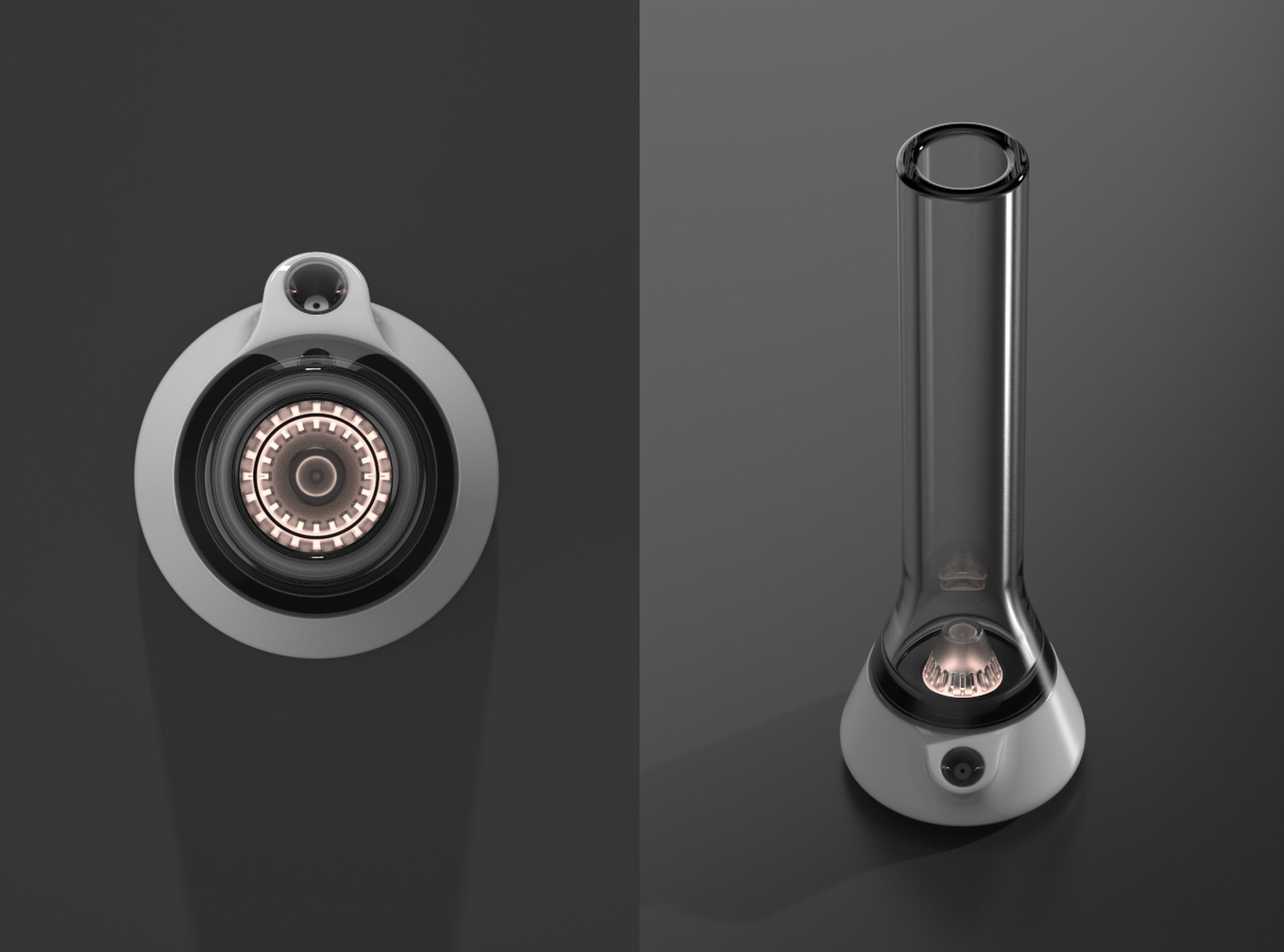
A compact modular waterpipe developed around self-lighting interaction, cleaning, component replacement, and a distinctive product identity.
View projectStarting scope
A focused Direction Sprint currently starts at $3k. A broader Development Program starts at $7k. Those are starting scopes—not the total cost of engineering, tooling, certification, manufacturing, or launching a product.
Common questions
Yes. Independent inventors, solo founders, startups, and established teams can all be a fit. The important question is whether the project and available budget support a useful next step.
No. You can begin with a rough explanation. Patent strategy is separate legal work, but product direction and early proof can often begin before a complete formal brief exists.
Usually not. Early prototypes should answer the most important unknowns. Production readiness requires additional engineering, testing, supplier, and manufacturing work.
Kendall reviews the note directly and replies by email with an initial view of fit and the leanest sensible way to begin.
Start a project
Explain what you want to make in ordinary language. A few sentences are enough for Kendall to understand the starting point.